Kasi-Rameswaram Yatra: A Sacred Journey from Salvation to Liberation
India is a land of divine circuits and sacred pilgrimages. Among these, the Kasi-Rameswaram Yatra holds profound spiritual significance in Hinduism. It’s a unique pilgrimage that connects Kasi (Varanasi) in the north and Rameswaram in the south—two of the holiest Shaivite shrines dedicated to Lord Shiva. The journey symbolizes a soul’s quest for ultimate salvation (Moksha) and liberation from the cycle of birth and death.
This yatra is often undertaken by devout Hindus seeking spiritual purification, ancestral blessings, and the fulfillment of religious duties, especially Pind Daan and Tarpanam for departed ancestors.
Spiritual Significance of Kasi and Rameswaram
-
Kasi (Varanasi): Known as the city of Lord Vishwanath (a form of Shiva), it is believed that dying in Varanasi grants Moksha. Rituals like Pind Daan and Asthi Visarjan (immersion of ashes) are performed here.
-
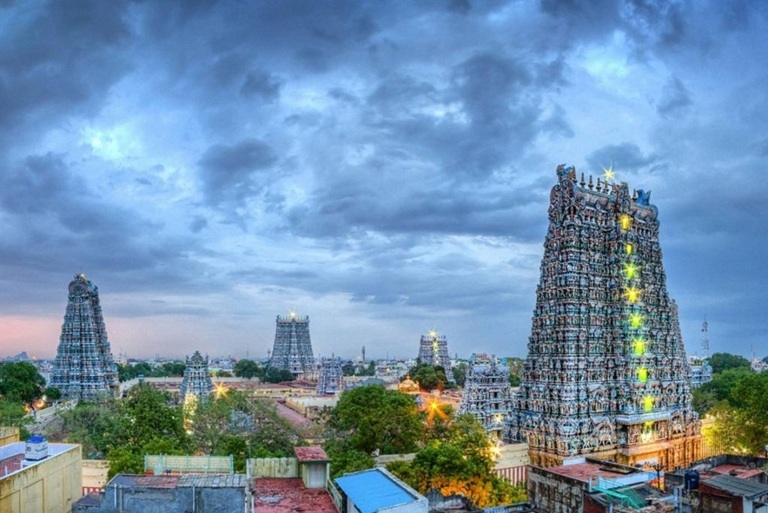
Rameswaram: Located in Tamil Nadu, this sacred town is home to Ramanathaswamy Temple, where Lord Rama is believed to have worshipped Shiva to absolve the sin of killing Ravana. Rameswaram symbolizes karma kshetra—the place to fulfill religious duties and achieve spiritual cleansing.
Together, the Kasi-Rameswaram Yatra completes the cycle of Jnana (knowledge), Bhakti (devotion), and Karma (action).
Traditional Yatra Procedure: Step-by-Step Guide
This yatra can be undertaken in two directions, but traditionally, it starts from Kasi and ends at Rameswaram. Here's a step-by-step breakdown:
🕉️ Step 1: Arrival in Varanasi (Kasi)
Note: A visit to Kalabhairav is mandatory, as he is considered the guardian deity of Kashi.
🕉️ Step 2: Perform Rituals in Gaya (Optional but Highly Recommended)
-
Location: About 270 km from Varanasi in Bihar.
-
Importance: Performing Pind Daan in Gaya is believed to liberate ancestors' souls.
-
Key Sites: Vishnupad Temple, Phalgu River, Akshay Vat Tree.
🕉️ Step 3: Travel from Kasi to Rameswaram
This is the symbolic north-to-south transition—from the land of salvation (Kasi) to the land of action and penance (Rameswaram).
🕉️ Step 4: Arrival in Rameswaram
Symbolic Meaning of the Yatra
-
Kasi represents Jnana (Knowledge): The abode of spiritual realization.
-
Gaya symbolizes Pitru Runa (Ancestral Debt): A place to repay what we owe to our forefathers.
-
Rameswaram stands for Karma (Action): The culmination of devotion through deeds.
By undertaking this yatra, devotees seek to harmonize knowledge, duty, and devotion—the three pillars of Hindu dharma.
Who Should Undertake the Yatra?
-
Families seeking to perform last rites or Pind Daan.
-
Individuals wanting to undertake a spiritual journey for personal purification.
-
Devotees of Lord Shiva and Vishnu.
-
Elderly pilgrims aiming for Moksha-oriented travel in their later years.
Best Time to Visit
-
Kasi: October to March (cooler months are ideal).
-
Rameswaram: October to April (to avoid intense summer heat).
-
Avoid: Peak monsoon season (July–September) for both regions.
Travel Tips
-
Ritual Guidance: Hire trusted temple guides or priests at each destination.
-
Attire: Traditional clothing is required inside temples (dhoti for men, saree/salwar for women).
-
Health: Be prepared for long walks and hot climates, especially in Rameswaram.
-
Stay: Book accommodations near temple premises for convenience.
Conclusion: A Journey of Soul, Duty, and Salvation
The Kasi-Rameswaram Yatra is more than a pilgrimage—it's a spiritual odyssey. It brings the devotee face-to-face with life’s deepest truths: the impermanence of existence, the importance of duty, and the path to liberation. Whether done out of ancestral obligation or personal devotion, this sacred journey helps cleanse the body, mind, and soul.
In a world rushing toward material pursuits, the Kasi-Rameswaram Yatra offers a timeless reminder: the journey inward is the most fulfilling of all.
Back To Blogs