Exploring the Sacred Splendor of Kedarnath and Badrinath Temples
India, a land of spirituality and mysticism, is home to some of the most revered temples in the world. Among these, the Kedarnath and Badrinath temples stand as majestic embodiments of faith, resilience, and divine beauty. Situated amidst the Himalayan peaks of Uttarakhand, these two temples are part of the Char Dham Yatra, a pilgrimage that every devout Hindu aspires to undertake at least once in their lifetime.
In this blog, we delve deep into the history, significance, travel tips, and spiritual aura that surround Kedarnath and Badrinath.
Kedarnath Temple: Abode of Lord Shiva
Location
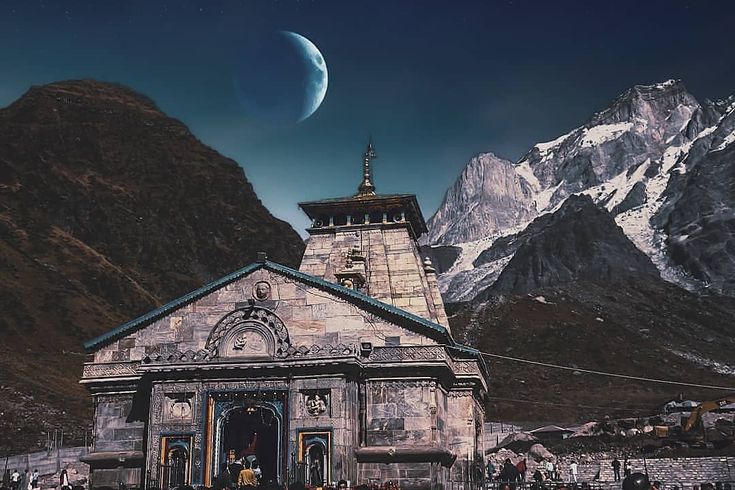
Kedarnath Temple is located in the Rudraprayag district of Uttarakhand, at an altitude of 3,583 meters (11,755 ft), nestled near the Mandakini River and surrounded by the snow-capped peaks of the Garhwal Himalayas.
Mythological Significance
Kedarnath is one of the twelve Jyotirlingas of Lord Shiva and holds immense religious importance. According to legend, after the Mahabharata war, the Pandavas sought forgiveness from Shiva for the sins of killing their kin. Lord Shiva, unwilling to forgive them easily, took the form of a bull (Nandi) and disappeared into the ground. His hump appeared in Kedarnath, where the temple was later built.
Architecture
Built using massive stone slabs, Kedarnath Temple showcases ancient North Indian architecture. The temple, believed to be over a thousand years old, was originally constructed by the Pandavas and later renovated by Adi Shankaracharya in the 8th century.
Travel Experience
Reaching Kedarnath is a pilgrimage in itself. Pilgrims must undertake a 16 km trek from Gaurikund, passing through rugged terrains, cascading waterfalls, and scenic landscapes. Helicopter services and pony rides are available for those who cannot trek.
-
Best Time to Visit: May to June and September to October
-
Weather Tip: The temple remains closed during winter (Nov to Apr) due to heavy snowfall.
-
Spiritual Highlight: Early morning Aarti and Rudrabhishek rituals offer a deeply spiritual experience.
Badrinath Temple: Abode of Lord Vishnu
Location
Badrinath Temple lies in the Chamoli district of Uttarakhand, at an altitude of 3,133 meters (10,279 ft), along the banks of the Alaknanda River. It is flanked by the Nar and Narayan mountain ranges.
Mythological Significance
Dedicated to Lord Vishnu, Badrinath is the most important of the four Char Dham sites. According to legend, Vishnu meditated here for ages, and Lakshmi, his consort, took the form of a Badri tree to shield him from the harsh weather, thus the name Badrinath.
Architecture
The Badrinath temple has a colorful facade and a conical-shaped roof. The sanctum houses the 1-meter tall black stone idol of Lord Badrinarayan, seated in a meditative posture. This idol is considered to be made of Shaligram stone.
Travel Experience
Unlike Kedarnath, Badrinath is accessible via road and is well-connected to Haridwar, Rishikesh, and Dehradun. The final drive through winding roads and mountain passes is as thrilling as it is scenic.
-
Best Time to Visit: May to June and September to November
-
Weather Tip: The temple remains closed during winter due to snow.
-
Spiritual Highlight: Taking a dip in the Tapt Kund, a natural hot spring, before entering the temple is considered auspicious.
Kedarnath and Badrinath: A Combined Pilgrimage
Many devotees visit both temples in a single pilgrimage, often covering Kedarnath first, followed by Badrinath. The journey, though physically demanding, is spiritually uplifting. It offers breathtaking views, a chance to disconnect from worldly chaos, and a deeper connection with the divine.
Logistics and Tips
-
Starting Point: Haridwar or Rishikesh
-
Best Mode: Government buses, shared taxis, and private vehicles
-
Permits: Register online for the Char Dham Yatra
-
Stay Options: Budget lodges, GMVN guest houses, and a few luxury accommodations
Conclusion: A Journey to the Soul
Kedarnath and Badrinath are not just destinations—they are sacred experiences. Whether you are a devout pilgrim or a spiritual traveler, the journey to these temples is one of endurance, faith, and inner peace. The Himalayan air carries the chants of ancient sages, and the rivers reflect the timeless grace of the gods.
A visit here isn’t merely a checkbox on a travel list—it’s a transformational journey that stays with you forever.
Back To Blogs